

A Complete Guide to Structural Repair in Houston, TX
Structural repair is one of the most critical aspects of maintaining a safe, stable, and long-lasting home in Houston, TX. It involves the assessment, diagnosis, and correction of issues that affect a building’s structural integrity, including its foundation, load-bearing walls, beams, and overall framework. In a region like Houston, where expansive clay soils, fluctuating moisture levels, and frequent heavy rainfall are common, homes are particularly susceptible to shifting foundations and gradual structural deterioration over time. The underlying soil conditions in Houston play a major role in how structures behave. Clay soils tend to expand when they absorb moisture and contract during dry periods, creating continuous movement beneath a home. This cycle of expansion and contraction can place uneven pressure on the foundation, leading to cracks, misalignment, and other forms of structural stress. Over time, these small movements can accumulate, resulting in visible and measurable damage that may compromise the safety and functionality of the property. Environmental factors such as prolonged heat, poor drainage, plumbing leaks, and extreme weather events can further accelerate structural wear. Excess moisture can weaken the soil supporting the foundation, while insufficient drainage can cause water to pool around the base of the structure. Both conditions contribute to soil instability, which increases the likelihood of foundation shifting and structural imbalance.
Warning Signs of Structural Damage Every Homeowner Should Never Ignore
Structural damage can compromise the safety, comfort, and long-term value of a property if left unaddressed. In many cases, the earliest signs are subtle but become more noticeable over time as underlying issues worsen due to soil movement, moisture intrusion, or natural settling. Acting early and seeking professional structural repair can help prevent minor concerns from turning into major structural failures.
Here are some of the most common warning signs and what they may indicate:
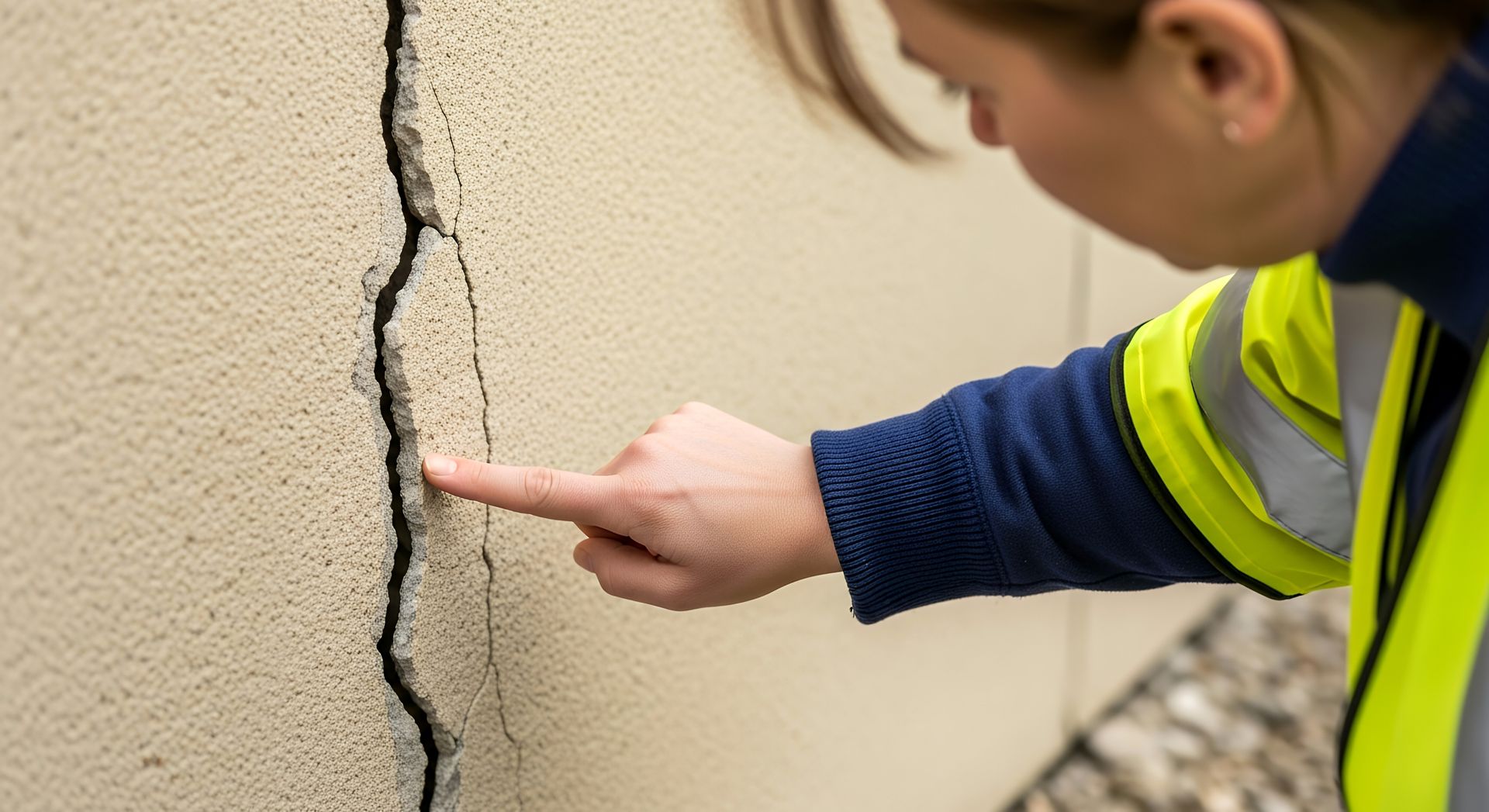
- Visible cracks: Cracks appearing in interior or exterior walls, ceilings, or the foundation may signal foundation shifting, settling, or excessive stress on structural components. Horizontal or widening cracks are especially concerning and often point to more serious underlying issues.
- Uneven or sloping floors: Floors that feel uneven, sag in certain areas, or slope noticeably can indicate weakened support beams, foundation movement, or soil instability beneath the home. Over time, this can worsen and affect the overall structural balance of the property.
- Doors and windows that don’t close properly: Difficulty opening, closing, or locking doors and windows often results from frame misalignment caused by structural shifting. This is a common early sign that the home’s foundation or framing may no longer be level.
- Sticking or gaps in walls and frames: Gaps between walls, ceilings, or trim, as well as sticking doors, may indicate that different parts of the structure are moving at different rates. This uneven movement is often linked to foundation settlement or moisture-related expansion and contraction.
- Exterior separation or leaning: Visible separation between exterior walls and the foundation, or noticeable leaning in certain sections of the home, can point to significant structural instability that requires immediate attention.
Major Causes Behind Structural Damage Homeowners Should Understand
Structural damage rarely occurs without an underlying cause. In many homes, these issues develop over time due to environmental factors, pest activity, or natural wear and tear. Identifying the root cause is essential to determine the right approach to structural repair and to prevent recurring problems in the future.
Below are some of the most common causes that can compromise a home’s structural integrity:
- Foundation settling: As the soil beneath a home shifts or compacts over time, the foundation may sink or move unevenly. This natural process can lead to cracks, sloping floors, and misaligned doors and windows.
- Water damage: Excess moisture from heavy rainfall, poor drainage, plumbing leaks, or flooding can weaken structural materials. Water can erode soil, damage wood components, and contribute to mold growth, all of which can compromise stability.
- Termite infestation: Termites and other wood-destroying insects feed on structural wood elements such as beams and joists. Over time, this hidden damage can significantly reduce the strength of the home’s framework.
- Natural disasters: Events such as hurricanes, earthquakes, floods, and high winds can place extreme stress on a building’s structure. These forces may cause immediate damage or create long-term weaknesses that worsen if not addressed promptly.
The Hidden Risks of Ignoring Structural Damage in Your Home
Ignoring structural issues can lead to serious consequences that go far beyond minor cosmetic problems. What may start as small cracks or uneven surfaces can quickly escalate into major safety hazards and costly repairs. Addressing these concerns early through professional structural repair not only helps protect the integrity of your home but also safeguards your investment and the well-being of those living in it.
Here are some of the key risks associated with delaying action:
- Safety hazards: Compromised foundations, weakened beams, or unstable walls can increase the risk of structural failure, potentially leading to accidents or injuries.
- Progressive damage: Structural problems tend to worsen over time. Small issues can expand into larger cracks, severe shifting, or even partial collapse if left unattended.
- Decreased property value: Homes with visible structural issues are less attractive to buyers and may appraise at a lower value, making it harder to sell or refinance.
- Higher repair costs: Delaying repairs often results in more extensive damage, which requires more complex and expensive solutions compared to addressing the issue early.
- Pest and moisture problems: Structural weaknesses can allow water intrusion and create entry points for pests, further damaging the home and compounding existing issues.
Don’t wait until minor issues turn into major structural problems. If you’ve noticed warning signs or suspect damage, acting quickly can save you time, money, and stress. Contact us to schedule a professional inspection and get expert guidance tailored to your home’s needs.




