


Foundation Repair: Methods Every Homeowner Should Know
A solid, stable foundation is the bedrock of a safe and lasting home. When cracks appear in your walls, floors become uneven, or doors and windows stick, these could be early warning signs of foundation issues. For homeowners facing these challenges, understanding the various foundation repair methods is essential to make informed decisions and prevent further damage. In this article, we’ll explore reliable foundation repair options, focusing particularly on concrete foundation repair, and what every homeowner should know to maintain their home’s stability and value.
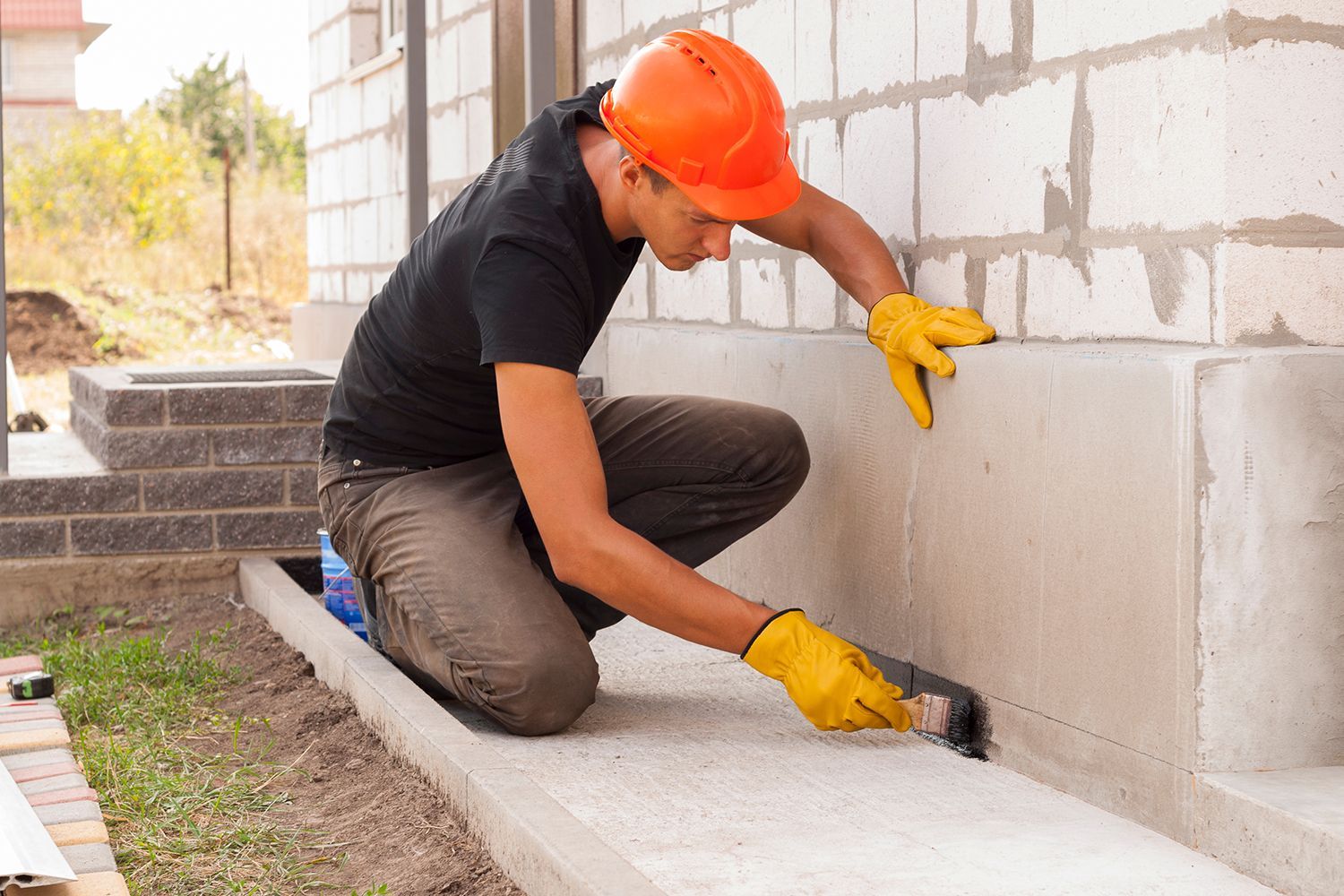
Popular Concrete Foundation Repair Methods
When foundation problems arise, choosing the right repair method depends on the severity of damage, soil conditions, and the specific symptoms your home exhibits. Concrete foundation repair comes in several forms, each tailored to different problems and repair needs. Below are some popular methods worth knowing:
1. Epoxy Injection
Epoxy injection is one of the most widely used techniques for repairing cracks in concrete foundations. This process involves injecting a specially formulated epoxy resin into the cracks. The resin fills the gap and cures to form a strong bond that restores the structural integrity of the concrete:
Pros:
- Cost-effective solution for minor to moderate cracks.
- Effectively seals cracks, preventing water leakage.
- Restores some of the original strength of the foundation.
Cons:
- Not suitable for actively moving or large cracks.
- Limited effectiveness for severe settling or shifting.
Epoxy injection works well when cracks are stable and relatively narrow, making it an ideal solution for homeowners noticing early signs of foundation stress.
2. Underpinning with Piers or Piles
For foundation issues involving significant settlement or shifting, underpinning is often the recommended repair technique. This method involves placing piers or piles deep into the ground beneath the foundation to transfer the building’s load onto more stable soil or bedrock:
Pros:
- Ideal for severe foundation settling problems.
- Provides long-term stability by anchoring the foundation on solid ground.
- Suitable for various soil types and moisture conditions.
Cons:
- Generally higher cost than crack repair or slab leveling.
- May require excavation and cause some disruption to landscaping or structures.
- Professional expertise required for proper installation and assessment.
Underpinning is an investment homeowners make to preserve their home’s foundation in cases where surface repairs won’t stop ongoing movement.
3. Slab Jacking (Mudjacking)
Slab jacking is a cost-effective and minimally invasive method used to lift sunken concrete slabs, such as driveways, patios, or basement floors, back to their original level. It involves pumping a grout mixture under the slab to fill voids and raise the surface:
Pros:
- Typically less expensive and faster than underpinning.
- Minimizes digging or replacement of concrete.
- Suitable for leveling uneven surfaces without full foundation excavation.
Cons:
- May not be permanent if soil conditions continue to cause settlement.
- Less appropriate for repairing walls or complex foundation failures.
- Effectiveness depends on soil stability and void conditions.
For homeowners noticing uneven floors or sunken slabs, slab jacking is a practical early solution to restore level footing before more extensive damage occurs.
4. Crack Repair With Polyurethane Foam or Carbon Fiber
In addition to epoxy injection, cracks can be sealed using polyurethane foam injections that are flexible and resist moisture intrusion. Carbon fiber strips can also be applied externally to strengthen areas with extended cracks or bowing walls.
Pros:
- Resistant to water and can accommodate some movement.
- Carbon fiber adds reinforcement without heavy construction.
- Suitable for both cosmetic and some structural repairs.
Cons:
- This method alone may not resolve underlying foundation shifts.
- Carbon fiber requires professional installation for best results.
These repair methods are often part of a comprehensive plan for foundation stabilization combined with other techniques.
When to Choose Each Foundation Repair Method
Knowing which concrete foundation repair method best suits your home depends on the nature and extent of the problem:
- Small, stable cracks: Epoxy injection or polyurethane foam sealing is a practical starting point.
- Significant settling or movement: Underpinning with piers or piles offers a permanent foundation-stabilizing solution.
- Sunken slabs or concrete surfaces: Slab jacking efficiently levels uneven concrete areas.
- Wall reinforcement for bowing or deep cracks: Combining crack repair with carbon fiber strengthening may be necessary.
A professional foundation inspection is crucial to accurately diagnose the problem and recommend the best solution tailored to your unique situation.
Why Timely Foundation Repair Is Essential
Many homeowners delay foundation repair because issues can seem minor at first. However, foundation problems often worsen over time, affecting structural safety and leading to costly repairs later. Early repairs through appropriate repair methods prevent water damage, pest intrusion, mold growth, and declining property value. Investing in timely concrete foundation repair ensures your home remains secure and your family safe.
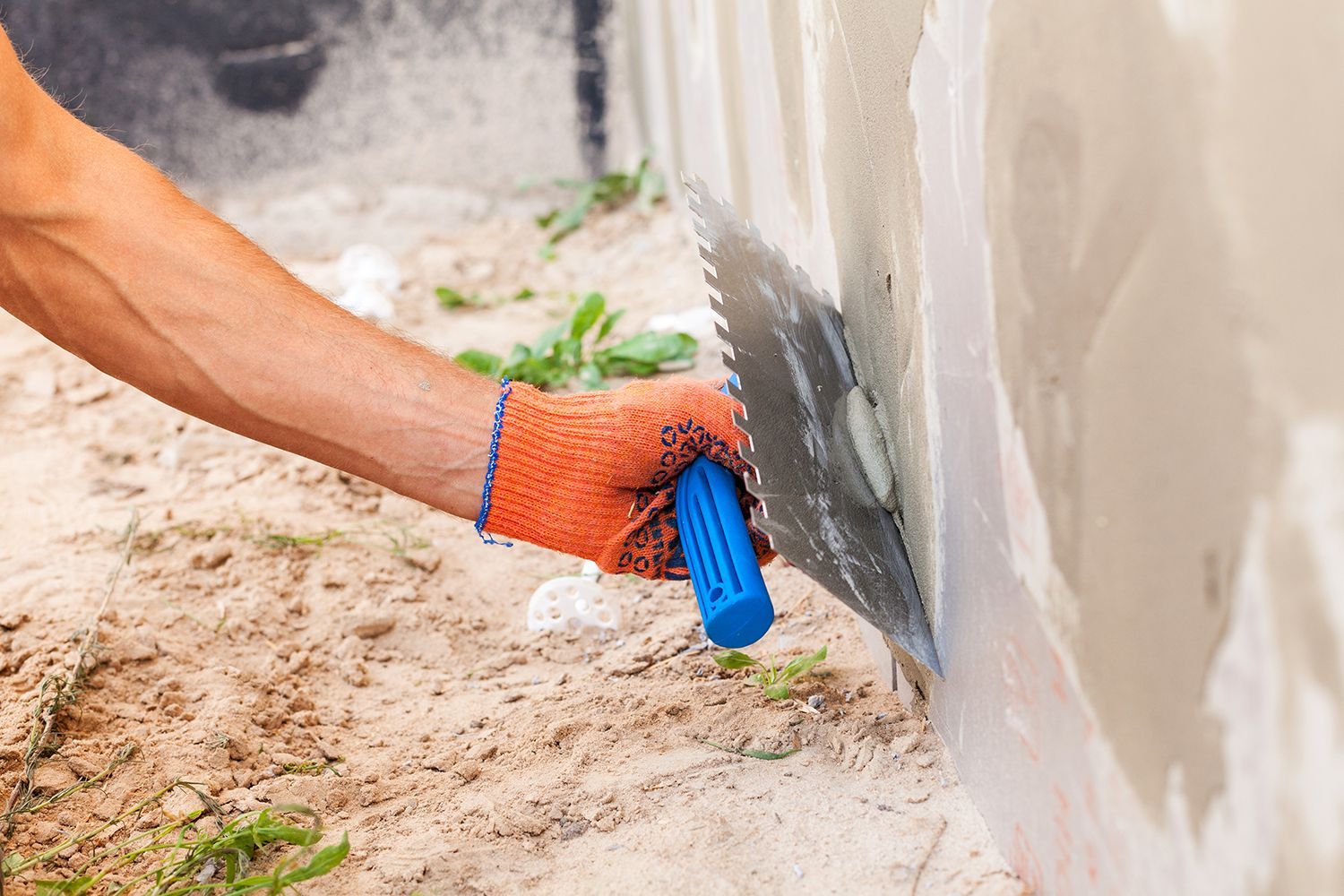
Final Thoughts: Trust the Experts for Your Foundation Repair Needs
Houston’s soil conditions, which include clay expansiveness and variable moisture levels, make foundation problems common but manageable with the right expertise. Whether you’re facing cracked walls, uneven floors, or shifting foundation issues, Bonilla Foundation Repair offers trusted solutions tailored to the local environment.
Contact Bonilla Foundation Repair Today—Houston, TX’s Foundation Specialists
Don’t wait for small problems to turn into major concerns. Contact Bonilla Foundation Repair for a thorough inspection and expert advice on the best repair methods for your home. Our proven concrete foundation repair techniques can restore your home’s stability and preserve your investment.
Call Bonilla Foundation Repair today or visit our website to schedule a consultation and explore
our projects that showcase successful repairs throughout Houston, TX. Take action now and protect your home with the trusted professionals who understand your foundation’s unique needs!




