


Foundation Inspection in Houston: What to Expect and When to Schedule One
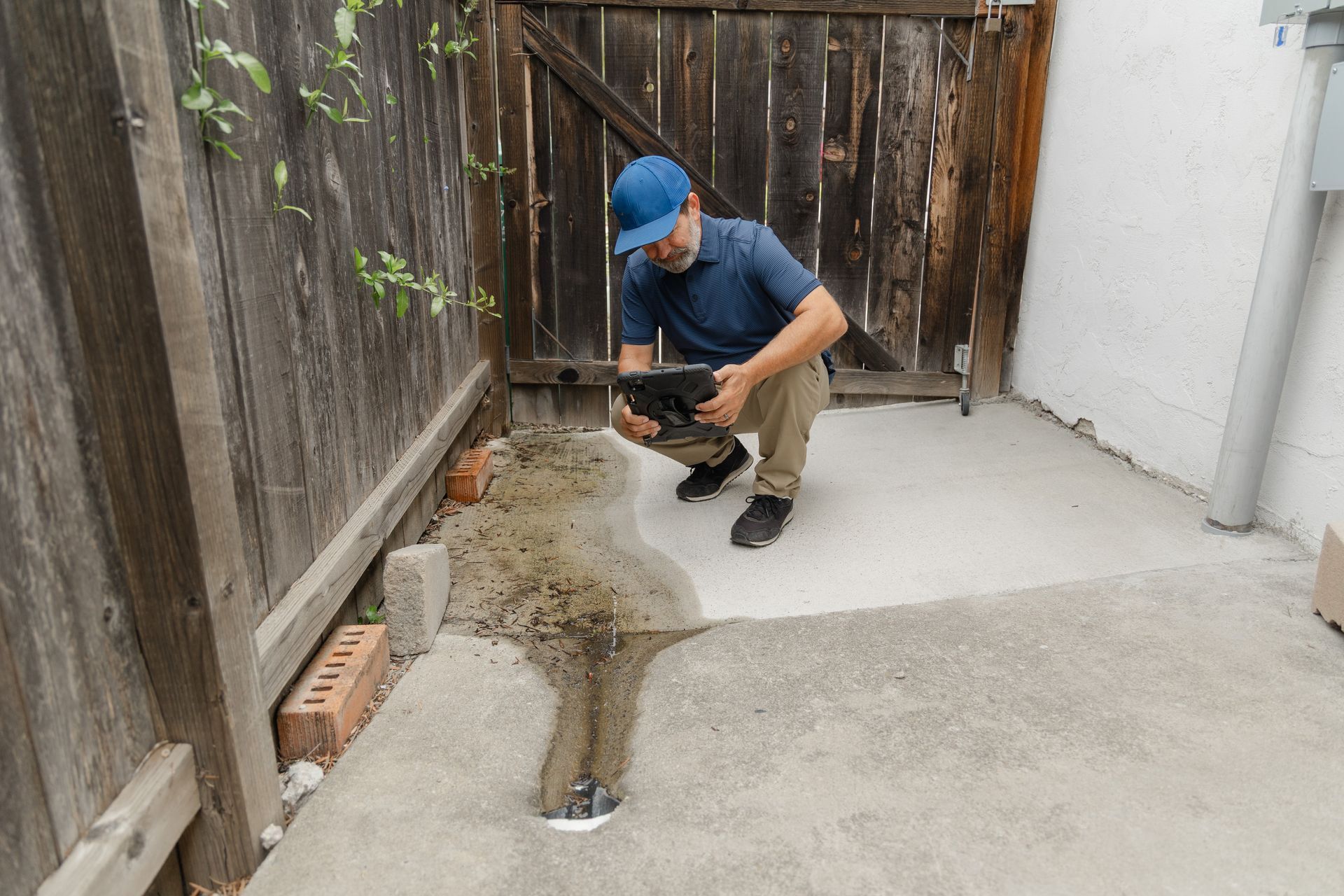
A Houston foundation inspection gives homeowners a clear picture of their home's structural health before small problems turn into major repairs. This guide covers what happens during a professional foundation inspection in Houston, TX, who performs it, what local conditions make inspections especially important here, and when to schedule one.
What Does a Houston Foundation Inspection Include?
A foundation inspection is a step-by-step assessment of your home's structure, inside and out. A technician visits your property, measures interior floor elevations, checks for cracks in drywall and exterior masonry, and looks for signs of movement around doors, windows, and corners. In older neighborhoods like Montrose, the Heights, or Meyerland, inspectors also assess crawl spaces on pier and beam homes for moisture damage, rotted wood, and uneven piers.
The technician typically walks the perimeter of the home to look for soil gaps, heaving, or settlement near the foundation. Inside, they check each room with a level and note any floors that tilt or feel springy underfoot. The whole process usually takes less than two hours for a standard residential property.
At the end of the visit, you receive a verbal or written summary of findings. No work begins without your knowledge and approval.
Common Houston Triggers That Make Inspections Necessary
Houston's soil conditions are unlike most other cities, and they drive most of the foundation issues local homeowners deal with. The region sits on a thick layer of expansive clay, often called "black gumbo" soil. This clay swells when wet and shrinks when dry, putting constant stress on slabs and piers alike. Harris County's cycle of heavy rainfall followed by hot, dry summers makes this movement especially severe.
Several situations commonly prompt a foundation inspection in Houston:
- Prolonged drought, which causes the clay to shrink and pull away from your foundation.
- Heavy flooding events, common in low-lying areas like Meyerland, Friendswood, and parts of Southwest Houston.
- Older homes in inner-loop neighborhoods built on pier and beam systems that are now 50 to 80 years old.
- Mature trees planted close to a structure, where roots draw moisture from the soil unevenly.
- New cracks appearing in drywall, brick mortar, or tile after a wet or dry season.
Any one of these factors can be enough reason to schedule an inspection before visible damage gets worse.
Contractor vs. Structural Engineer: Who Should Inspect Your Foundation?
For most Houston homeowners, a free inspection from a qualified foundation repair contractor is the right starting point. Contractors measure elevations, identify problem areas, and recommend repair options. This type of inspection is free with most reputable companies and gives you practical, actionable information quickly.
A licensed structural engineer provides a more formal evaluation, typically for a fee. Engineers issue written reports that lenders, insurance companies, or attorneys may require. If you are buying or selling a home and the foundation history is uncertain, a structural engineer report may be worth the additional investment.
For routine monitoring, pre-purchase peace of mind, or after a weather event, a contractor inspection is usually sufficient. If the findings are complex or you need documentation for a real estate transaction, consider following up with a structural engineer.
What Happens After the Inspection?
After the inspection, the contractor explains what was found and outlines any recommended repairs. If no issues are detected, you leave with documentation that your foundation is currently in good condition, which can be helpful when selling a home. If repairs are needed, the contractor walks you through the options, the proposed method, and the timeline before any work starts.
When Should You Schedule a Pre-Purchase Foundation Inspection?
Schedule a pre-purchase foundation inspection before your option period expires, not after closing. Houston's real estate market moves quickly, and buyers who skip this step sometimes inherit hidden foundation problems. An inspection during the option period gives you time to negotiate repairs, request a price reduction, or walk away if the findings are serious.
How Often Should Houston Homeowners Get an Inspection?
Most experts recommend a foundation inspection every three to five years under normal conditions. Houston homeowners in flood-prone ZIP codes or neighborhoods with heavy tree cover may benefit from checking more frequently, especially after major weather events. Annual monitoring makes sense for homes with a known history of movement.
What Are the Clear Signs You Need an Inspection Now?
You should schedule an inspection soon if you notice any of the following:
- Cracks in interior drywall, especially near door frames and window corners.
- Doors or windows that stick, drag, or no longer close properly.
- Floors that feel uneven, slope noticeably, or bounce underfoot.
- Gaps forming between the wall and ceiling or between baseboards and floors.
- Visible cracks in brick, mortar joints, or exterior stucco.
These warning signs do not always mean major structural damage, but they are worth evaluating before conditions change with the next wet or dry season. Catching movement early may significantly limit the scope of any repairs needed.
Ready to Schedule Your Free Foundation Inspection in Houston?
If you have noticed any warning signs, or simply want peace of mind heading into another Houston summer, Bonilla Foundation Repair is ready to help. A trusted name in Houston, TX, for foundation repair and inspection services, Bonilla Foundation Repair has served Greater Houston homeowners since 1990. Technicians measure elevations, assess crawl spaces, and walk you through honest findings at no charge. Call (713) 434-8432 today to book your free inspection, or submit a request online to choose an appointment time that works for you. Learn more about what a professional evaluation covers on the slab foundation repair services page. Do not wait for small cracks to become costly repairs.
Published: January 2026




