


Pier and Beam vs. Slab Foundation: What Houston Homeowners Need to Know
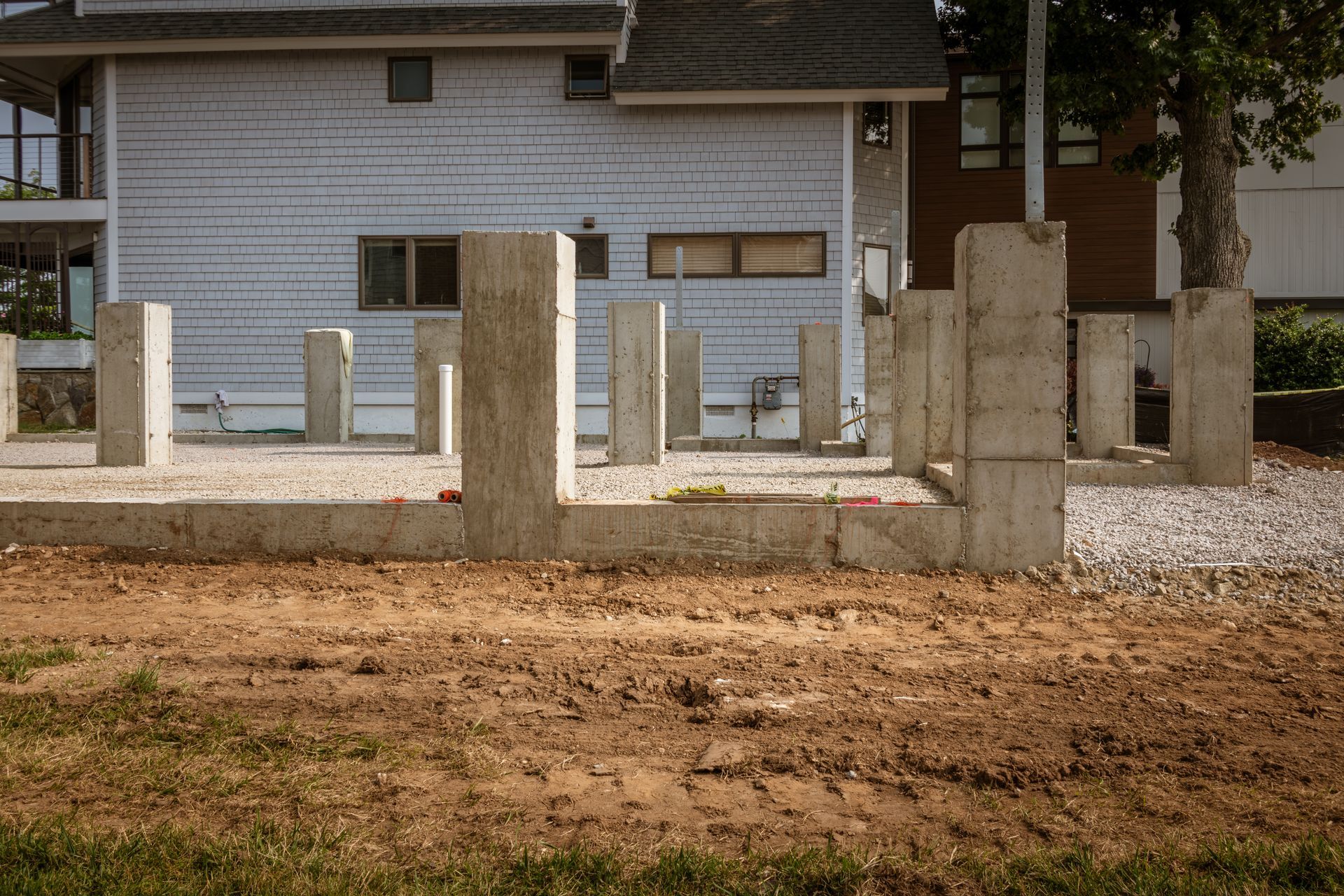
Houston homeowners face a critical choice when foundation problems arise: the right repair approach depends entirely on whether your home sits on a pier and beam foundation or a concrete slab. Understanding both systems helps you spot warning signs early and protect one of your most valuable investments.
If you already need help, explore the team's pier and beam foundation repair services or slab foundation repair services for more detail.
How Do Pier and Beam and Slab Foundations Actually Differ?
A slab foundation is a thick, continuous pad of reinforced concrete poured directly on the ground. A pier and beam foundation raises the home on concrete or wooden piers, with horizontal beams and floor joists spanning between them above a crawl space.
The crawl space is the biggest practical difference. It gives technicians direct access to plumbing, electrical lines, and structural components. A slab has utility lines embedded in the concrete, making access more involved.
Which Foundation Type Is More Common in My Houston Neighborhood?
Your zip code is often a reliable clue. Houston's older inner-loop neighborhoods tend to be pier and beam, while newer suburban developments are built on slabs. Neighborhoods like Montrose, The Heights, Garden Oaks, Oak Forest, Eastwood, and Woodland Heights are largely pier and beam, and many homes in Galveston County and coastal areas also use raised construction where flood resistance is a priority. Most modern homes in Pearland, Cypress, Katy, and Richmond are built on slabs, so if your home was built after the late 1960s in a planned subdivision, it is likely on a slab. Pier and beam homes typically predate the 1960s, feature a crawl space, offer easier utility access, and are more vulnerable to moisture, wood rot, and pests, while slab homes are common in newer suburban areas, have no crawl space, require cutting or tunneling for repairs, and are most susceptible to clay soil movement and cracking.
What Makes Each Foundation Vulnerable in Houston?
Houston's clay-rich soil expands and contracts with moisture changes, which is a leading cause of foundation damage. Both foundation types feel that pressure, but in different ways.
Pier and Beam Vulnerabilities
The crawl space creates a buffer from soil movement but also allows moisture to accumulate, exposes wood to humidity and pests, and lets individual support points shift independently. In flood-prone areas like Meyerland and Bellaire, repeated flooding can accelerate wood deterioration. Poor ventilation makes this worse over time.
Common warning signs in pier and beam homes include floors that feel springy or uneven, doors and windows that stick or no longer close properly, gaps between the floor and baseboards, and a musty odor from below the house. Any one of these is reason enough to schedule a pier and beam foundation repair inspection.
Slab Foundation Vulnerabilities
Slabs respond differently to soil movement. They tend to require fewer repairs overall, but those repairs are typically more costly when they do occur. Drainage problems and dry spells that shrink the soil beneath the slab are frequent triggers.
Common warning signs in slab homes include cracks along walls, floors, or ceilings; doors that drag or stick at the top; uneven floors noticeable when walking room to room; and cracks appearing in tile grout or flooring.
How Are Repairs Different for Each Foundation Type?
For pier and beam homes, repair typically involves replacing damaged piers, re-shimming beams, and improving crawl space drainage. Because the crawl space allows direct access to structural components, experienced crews can address multiple problem areas in a single visit. Pier and beam foundation repair performed at the first sign of trouble consistently results in lower overall costs and less household disruption.
For slab foundations, repair may involve driving steel piers into stable soil beneath the slab, concrete leveling, crack sealing, or soil stabilization. These methods require more preparation and specialized equipment than most pier and beam work.
When Should You Call a Professional?
Houston's clay soil and heavy rainfall can accelerate foundation issues quickly. If you notice any of the warning signs listed above, scheduling an inspection sooner rather than later can prevent minor settling from becoming a major structural problem. Early action is the most cost-effective path for homeowners on either foundation type, and pier and beam foundation repair is almost always cheaper when the problem is caught in its early stages.
Ready to Protect Your Houston Home? Schedule a Free Inspection Today.
Whether your home sits on a pier and beam system in the Heights or a slab in Katy, getting the right diagnosis matters. Bonilla Foundation Repair has served Greater Houston since 1990 as a family-owned team handling both pier and beam foundation repair and slab repair, and backs its work with a lifetime transferable warranty.
Call
(713) 434-8432 to schedule your free estimate, or
contact the team online to book an inspection. You can also learn more about the company's reputation at
Bonilla Foundation Repair.




