


How Houston's Clay Soil Drives Foundation Repair Cost in Houston, TX: A 2026 Homeowner's Guide
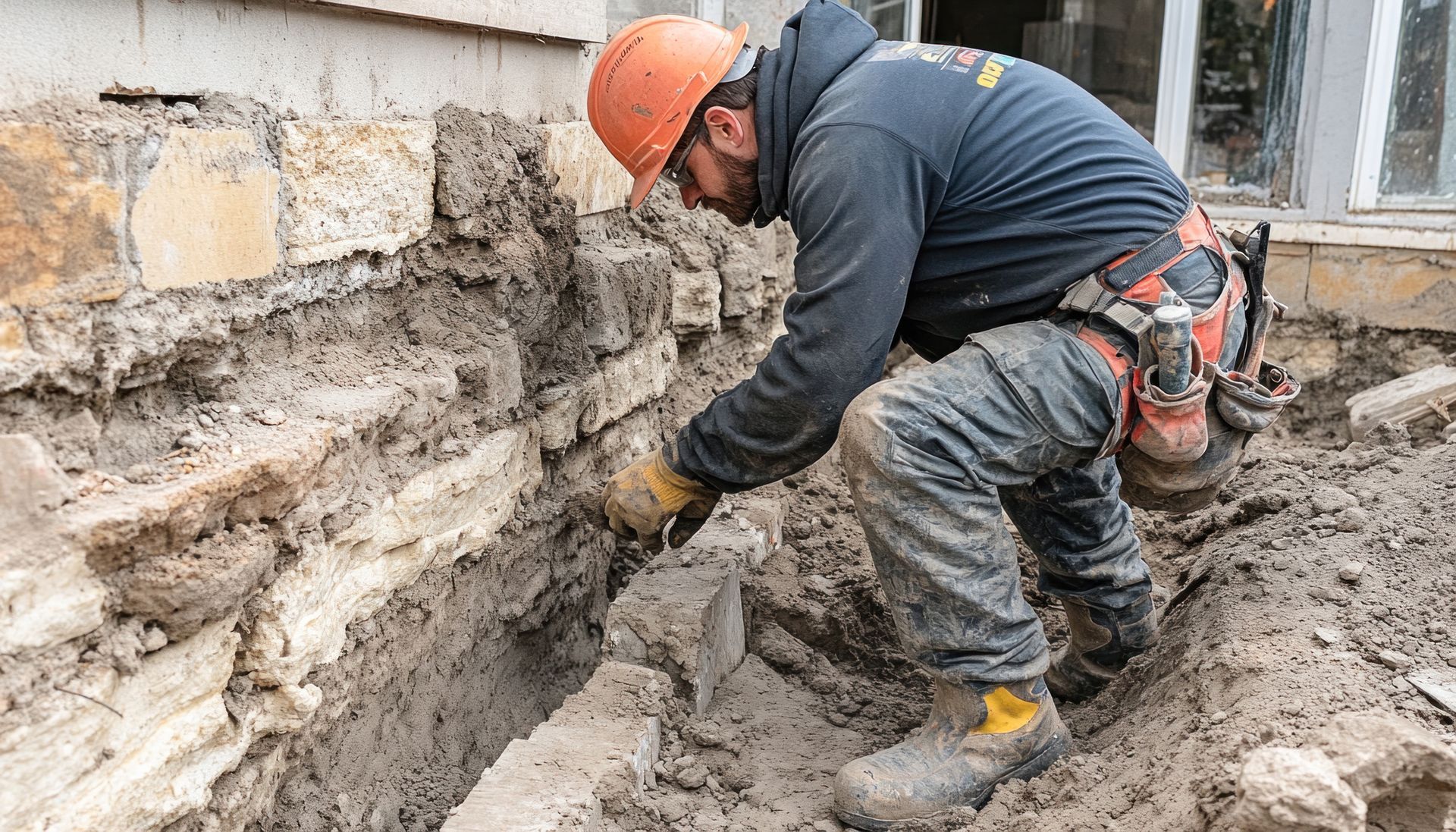
Understanding foundation repair cost in Houston, TX, is the first step every homeowner should take when they notice cracks in their walls, sticking doors, or uneven floors. Houston sits on some of the most reactive clay soil in the country, and that soil is the single biggest factor driving what you will ultimately pay for repairs. This guide explains how the soil behaves seasonally, how it affects slab and pier-and-beam foundations differently, and how those conditions shape repair method choices and pricing throughout the Greater Houston area.
Why Houston's Clay Soil Is the Root of Most Foundation Problems
Houston's clay soil, known locally as Houston Black or Gumbo soil, swells when wet and shrinks when dry. After a wet spring, it dries rapidly under summer heat and can contract by 30 to 40 percent, pulling away from foundations that were lifted by seasonal rains.
That constant expansion and contraction put uneven pressure on foundations. When one side sits on swollen soil and the other on dry, shrinking soil, cracking, settling, and structural separation follow. This is also why structural repair cost in Houston, TX, tends to run higher than in other regions, since repair crews must drive piers deeper to reach stable soil, raising both labor and material costs.
How Seasonal Shrink-Swell Cycles Hit Slab and Pier-and-Beam Foundations Differently
Slab Foundations
Slab-on-grade foundations commonly experience cracking, uneven settling, and slab heave. When clay swells unevenly beneath a slab, it pushes sections up at different rates. When it dries, voids form under the concrete. Both movements crack the slab and the structure above it. Foundation repair cost in Houston, TX, for slab work varies widely depending on how many piers are needed and whether drainage improvements must be bundled into the project. Learn more about slab repair services to understand what the repair process typically involves.
Pier-and-Beam Foundations
Pier-and-beam foundations tend to show sagging floors, rotted supports, and shifting piers. Older inner-loop neighborhoods like the Heights carry a high share of these homes, where joists and wood supports weaken over time as soil movement shifts piers out of alignment. Mixed fill and loam conditions in the Heights commonly lead to pier sagging in older homes and require pier-and-beam leveling. Repair cost in Houston, TX, for pier-and-beam homes often reflects the added complexity of working in tight crawl spaces with deteriorated framing.
Neighborhood Risk Context Across Greater Houston
Inspections across Houston, Sugar Land, Katy, The Woodlands, Pearland, and surrounding communities have revealed widespread foundation stress in homes built on expansive clay, affecting properties of all ages and price points.
A few areas carry particularly elevated risk:
▸Katy: Homes in West Houston, Cypress, and parts of Katy often sit on heavy clay or older fill dirt, which can mean deeper piers and added cost. Repair cost in Houston, TX, for homes in these areas frequently reflects the need for longer pier installations.
▸Sugar Land: Fort Bend County sits on some of the most reactive expansive clay in the Houston area. These soils swell dramatically during wet seasons, then shrink and crack as they dry, pushing even well-built slabs out of alignment within years of construction. Homeowners there consistently face higher structural repair cost in Houston, TX, than those in less reactive soil zones.
▸The Heights: Mature tree coverage and low-lying drainage areas increase risk, as thirsty trees pull additional moisture from already-drying soil during summer months.
How Soil Conditions Shape Repair Method Selection
The severity of clay activity under your specific home determines which repair method a contractor may recommend. Houston's heavy gumbo clay and high water table mean drainage work such as French drains or root barriers is often bundled with pier installation rather than treated as optional. These added scopes are a key reason repair cost in Houston, TX, can climb well beyond initial estimates when soil and drainage conditions are more severe than they appear at first inspection.
Drainage problems, poor grading, plumbing leaks beneath slabs, and aggressive tree root systems compound the stress placed on foundations by seasonal soil movement. A contractor may recommend addressing these contributing factors alongside structural repair, which affects repair cost in Houston, TX, by expanding the overall project scope. Review the structural repair methods page to understand what options may apply to your home's specific conditions.
Frequently Asked Questions About Foundation Repair Cost in Houston, TX
What Drives Repair Cost in Houston, TX?
Soil conditions, foundation type, repair method, and damage extent drive cost. Houston soil makes outcomes unpredictable, so a professional inspection is the best way to assess your home.
Are Newer Homes in Houston Still at Risk?
Yes. Recently built houses can develop foundation issues within a few years if they sit on reactive clay. Soil behavior does not distinguish between new and old builds.
Does Houston's Wet-Dry Climate Make Foundation Problems Worse Over Time?
Houston's weather swings between flooding rains and hot summers, creating repeated expansion and contraction beneath foundations year after year. That stress is cumulative, and issues tend to worsen without intervention.
Should I Test for Plumbing Leaks Before Starting Repairs?
Yes. Slab leak signs and foundation settlement signs look nearly identical. A plumbing test can rule out an under-slab leak before repair work begins and may save significant cost.
How Can I Slow Down Foundation Damage From Clay Soil?
Gutters, downspouts, and proper grading prevent water accumulation near the foundation. French drains or sump pumps help in flood-prone areas. Consistent moisture around your home's perimeter reduces clay shrink-swell cycles.
Take the First Step Toward Protecting Your Houston Home
Foundation repair cost in Houston, TX, varies considerably based on soil depth, home size, and how far movement has already progressed. The best way to get a clear picture is a professional inspection before minor issues become major expenses.
Bonilla Foundation Repair is a family-owned company with over 30 years of experience serving the Greater Houston area, offering free inspections for homeowners across Harris County and surrounding communities. Call (713) 434-8432 or visit the contact page to request your free estimate today. You can also read reviews and learn more at Bonilla Foundation Repair on Google.




